(Image source from: Canva.com)
Isabgol is an ingredient that many Indian families keep at home, often stored on a kitchen shelf and used only when needed. It has long been linked to helping with digestion and making the stomach feel better, typically taken in small amounts instead of as an everyday food. Recently, there has been a rise in conversations about isabgol in relation to fiber consumption, gut issues due to lifestyle changes, and shifting eating habits. As people become more aware of gut health, they are also becoming curious about ingredients that have been used for a long time but aren’t often explained well. This new interest has led many individuals to explore beyond its traditional uses. Isabgol comes from the husk of the seeds of the Plantago ovata plant, which mainly grows in India. When the plant ripens, it produces small seeds that are processed to take off the outer layer. This outer layer is called the husk, and it is sold commercially as isabgol or psyllium husk. Although the seeds can be eaten, the husk is preferred because it has most of the fiber.
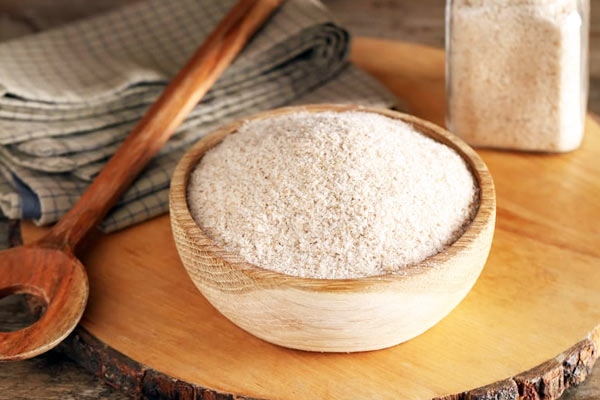
Isabgol is light in color, flaky, and almost has no taste. It doesn’t dissolve in liquids but expands quickly when mixed with water or milk, creating a soft, gel-like consistency. This quality of absorbing liquid is key to how it works when consumed. Isabgol has a simple nutritional profile and is very specific:
It consists mainly of dietary fiber, with most being soluble fiber.
It has very few calories, fats, sugars, or proteins.
It does not offer significant amounts of vitamins, minerals, or antioxidants.
Due to this nutritional profile, isabgol is not seen as a nourishing food but rather as a helpful dietary addition. Its importance lies in its function within the digestive system rather than the nutrients it provides.
How well isabgol works depends a lot on hydration; without enough fluids, it might not enlarge as expected. Therefore, both the amount taken and the liquid consumed are important factors for its effectiveness.
Psyllium husk is linked to several fiber-related benefits, especially when included in a balanced diet. These benefits include:
Regular digestion: By increasing the bulk and moisture of stools, psyllium fiber can help keep bowel movements regular.
Stool consistency: Its ability to form gel can make loose stools firmer while also softening hard ones.
Cholesterol control: Soluble fiber can attach to bile acids, which may help lower LDL cholesterol levels.
Blood sugar management: Absorbing carbohydrates more slowly can lead to steadier blood sugar levels after meals.
Feeling full: Fiber adds bulk without calories, which may help some people feel satisfied.
These benefits can vary based on the overall diet, regularity of intake, hydration levels, and personal health circumstances. In daily life, isabgol is primarily linked to maintaining digestive health. People often choose it during times of irregular digestion, changes in eating habits, or when their diet is disrupted.